What is a self-sufficient Canadian? What does it actually mean to be self sufficient?
To me, it means having the ability to take care of yourself and your family while accepting full responsibility for your own life. The life you’re living today is largely the result of your own choices, and only you can change its direction.
I believe in having the skills and experience to produce your own food, protect yourself and your loved ones, avoid unnecessary debt, and never become trapped in a job simply because you need the money. It means accepting responsibility for your own health and well-being instead of expecting someone else to do it for you.
You should not become dependent on the government or others for social welfare, remain ignorant of the food and drink you put into your body, or ignore the steady erosion of your personal freedom and liberty.
Self-Reliance vs. Self-Sufficiency
The terms self-reliance and self-sufficiency are often used interchangeably, but I see a slight difference.
You can be self-reliant for a period of time.
True self-sufficiency means you’ve built a life that can sustain you and your family indefinitely.
Disaster preparedness, survival skills, and bushcraft are all skills worth learning. They’re not just hobbies—they’re practical abilities that make you less dependent on everyone else.
Produce Your Own Food
Producing your own food is one of the foundations of self sufficiency.
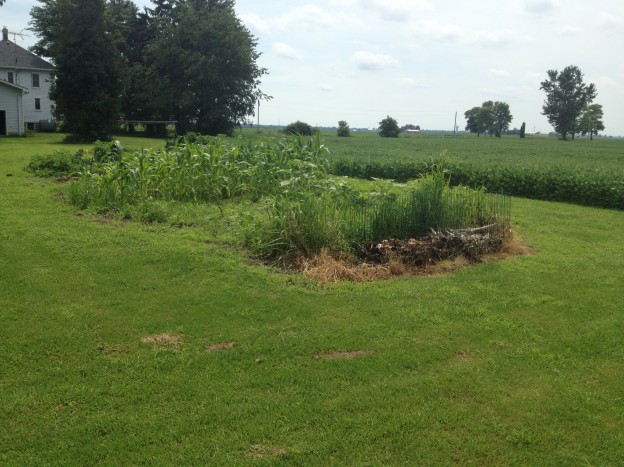
Gardening, permaculture, aquaponics, raising chickens or ducks, and keeping livestock are all ways of moving toward that goal. The sooner you start experimenting, the sooner you’ll get your mistakes behind you and begin learning what actually works.
Hunting, fishing, and foraging for wild edibles are valuable additions to your food skills as well.
Nothing is more satisfying than sitting down with your family to eat a meal that you completely produced and prepared yourself.
In my opinion, that’s also the most addictive part of becoming self sufficient.
Protect Yourself and Your Family
Ultimately, you are responsible for your own safety.
Own firearms if you choose, become proficient in their use, maintain an adequate supply of ammunition, and understand the laws surrounding their use.
But firearms are only one part of self-defence.
Be aware of your surroundings. Carry practical tools where legal and appropriate. Learn martial arts such as MMA, Kickboxing, Judo, Jiu Jitsu, or Krav Maga.
One of the best pieces of advice I’ve ever heard is simple:
Don’t go stupid places and do stupid things with stupid people.
That one sentence alone will prevent a surprising number of problems.
Be Prepared
Food, water, fuel, and other essential supplies should always be available.
Canadian weather can be unpredictable, especially during the winter. Every family should be able to survive at least a few weeks without needing to visit a grocery store.
The long-term goal should be several months.
Preparedness isn’t just about surviving snowstorms. It helps you get through job loss, disease outbreaks, transportation disruptions, power outages, or even some of the more far-fetched breakdowns in society that people like to debate.
It’s simply another way of reducing your dependence on others.
Reduce Your Dependence on the Grid
You can’t honestly call yourself self sufficient if every aspect of your life depends entirely on the electrical grid and public utilities.
Have backup power.
Know how to use your vehicle as an emergency generator.
Explore renewable energy such as solar, wind, or micro-hydro if your property allows it.
Store fuel safely.
Have an alternate source of water.
As an engineer by training—and by mentality—I’ve always enjoyed optimizing home energy systems. Heat water with solar panels, cook on propane or charcoal, heat with wood when necessary, and be able to keep your freezer and refrigerator running during an extended power outage.
Take Responsibility for Your Health
Health, fitness, and wellness are all part of self sufficiency.
Be physically capable of doing the jobs life demands of you. Chop firewood. Walk twenty kilometres if you have to. Go hunting. Work around your property. Protect yourself if necessary.
Health matters just as much.
Many modern diseases are linked to poor diet, pollution, inactivity, and stress. Eat natural foods. Stay active. Take care of yourself.
Modern medicine has incredible capabilities when we suffer traumatic injuries, require surgery, or need treatment for serious disease.
Prevention, however, is largely your responsibility.
Nobody cares more about your health than you do. It’s your responsibility, and I believe Canadians should understand all of their healthcare options instead of assuming the public system is the only answer. Sometimes that means looking beyond Canada’s borders for treatment when appropriate. That’s one of the reasons I encourage Canadians to learn about Medical Tourism for Canadians.
Understand Money
Financial independence is just as important as physical self sufficiency.
Learn about money, investing, banking, government, politics, taxes, and why debt is financial cancer. Question conventional financial advice, and recognize that RRSPs sold by the banks aren’t the only way to build wealth.
Develop multiple sources of income whenever possible.
Whether it’s weekend handyman work, consulting, running an internet business, or selling products you’ve made yourself—eggs, vegetables, furniture, clothing, leather goods, or artwork—every additional income stream makes you a little less dependent on someone else. If you’re comfortable in your career, consider whether you should optimize your job, acquire a business, or build a side hustle.
I also recommend learning about international investing and owning assets outside Canada, offshore incorporation, and reducing your financial exposure to any one country. Putting all of your eggs in one basket has never been a good strategy.
Real estate can also be part of that diversification. My guide to Offshore Real Estate for Canadians explores many of the countries where Canadians are investing today.
Final Thoughts
This is my view of what it means to be a self-sufficient Canadian.
You don’t have to become a tinfoil-hat-wearing doomsday prepper.
You don’t have to move to a commune and live off the land.
You simply have to accept one basic idea:
You are responsible for yourself and your family.
Once you truly accept that, you’ll naturally begin building a life that depends less on others—and especially less on the government.